
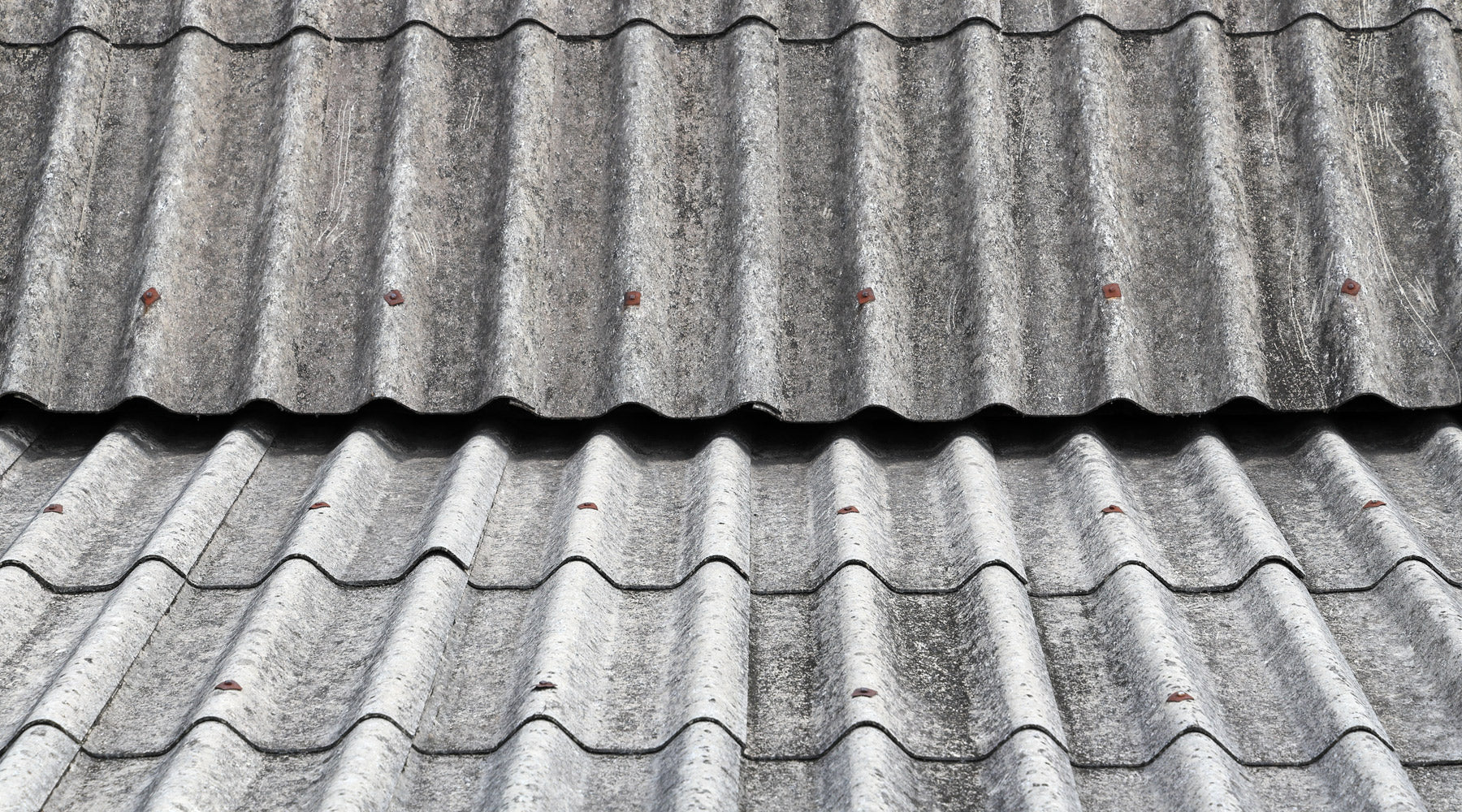
There’s plenty of examples of people ranting about a quote to "rip and replace" a perfectly good asbestos cement roof. Hundreds of pounds for a skip, thousands for licensed removal, all for a roof that's "been fine for 50 years". The frustration is real. But so is the confusion about what's actually dangerous here.

The bit everyone gets wrong
Asbestos cement isn't dangerous because it exists. It's dangerous when fibres become airborne — when the material is drilled, smashed, or broken up. Asbestos cement which is weathered but not otherwise substantially damaged is treated very differently to a sheet that's been dropped, cracked, or ground down. An intact roof sitting quietly over a garage isn't the emergency it's made out to be. (See HSE: Non-licensed work with asbestos)
So what's the actual problem?
Time and weather. Asbestos cement is tough, but the cement matrix that locks those fibres in place degrades over decades. UV, frost, and rain wear the surface down, moss and algae take hold, and the sheet becomes porous and friable. That's the point where it stops being "leave it alone" and starts being a genuine risk, and where most people assume the only fix is full removal. It isn't.
Sealing instead of stripping
HSE guidance is clear; encapsulation and sealing-in work on asbestos-containing materials in good condition is treated as low-risk, non-licensed work . This is a world away from the licensed-contractor, skip-hire, hazardous-waste nightmare people imagine. There's even a dedicated HSE task sheet specifically for painting asbestos cement sheets.
Sealing a weathered roof does three things: it locks loose surface fibres in place, stops water tracking into the porous cement, and kills off the moss and algae that accelerate the breakdown in the first place. Done properly, it can add years of life back into a roof that was otherwise heading for an expensive replacement conversation.
This job is perfect for our roof repair coatings, formulated to bond to and seal porous, weathered surfaces like asbestos cement, with the flexibility to move with the substrate rather than cracking and reopening the problem.
Before you pick up a brush
This isn't a "crack on and see" job. Whether sealing counts as non-licensed work depends on the condition of your specific roof, how it'll be handled, and local notification rules. Get a professional assessment before doing any DIY work on a suspected asbestos roof — a competent surveyor can confirm the material and its condition in minutes. For the official position on what you can and can't do yourself, see HSE's guidance on asbestos cement roofs.
Don't pay for a roof replacement you don't need. Seal it, protect it, and get years more out of it.